



ARTICLE CONTRIBUTED BY: Demetrius Cromartie
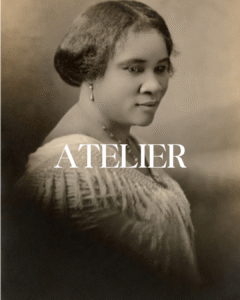
Villa Lewaro stands as a significant example of early 20th-century American architecture that reflects African American artistic vision and social purpose. Although wealthy patrons often shape architectural history, Madam C. J. Walker’s contributions are rarely recognized. Through her homes and business buildings in Indianapolis and Harlem, and especially at Villa Lewaro in Irvington, New York—her only surviving residence—Walker expressed her success, ambition, and race pride through architecture, creating a lasting symbol of Black achievement and cultural legacy.
In 1913, at her daughter A’Lelia’s urging, Madam C. J. Walker expanded her business presence to Harlem, purchasing two brownstones that were transformed by architect Vertner Woodson Tandy—the first licensed Black architect in New York—into a combined residence, salon, and training center. Though intended largely for A’Lelia, the project reflected Walker’s growing influence and ambition. Soon after, Walker commissioned Tandy to design a highly visible country estate in Irvington-on-Hudson. Built in 1916 as a grand Mediterranean- and classical-inspired mansion, the home—named Villa Lewaro—was created to stand alongside the estates of America’s wealthiest families and became a powerful symbol of Walker’s success and legacy.
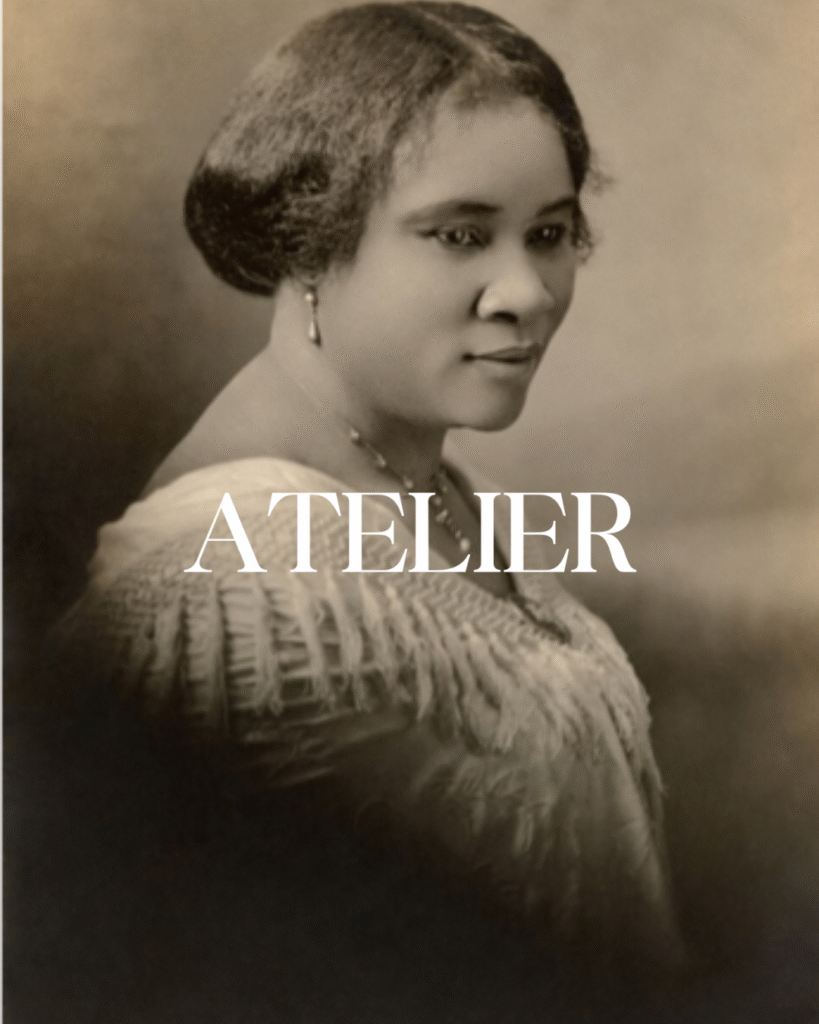
SOURCE: WIKIPEDIA
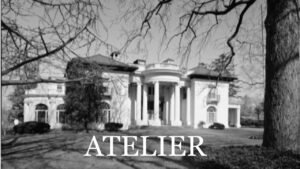
Madam C. J. Walker assembled leading professionals who supported Black clients to construct and design Villa Lewaro. Built by the Miller-Reed Company in 1916 and richly decorated by Frank R. Smith with Righter & Kolb, the 16,000-square-foot, 34-room Italianate-style mansion featured grand classical interiors, luxury furnishings, and a prominent Estey organ. The home was carefully organized with formal entertaining spaces, private family wings, servants’ quarters, and recreational rooms. Equipped with advanced modern technologies such as electric systems, central vacuuming, and a fully outfitted gymnasium, Villa Lewaro reflected both architectural elegance and cutting-edge innovation. Although Madam C. J. Walker’s Harlem home was demolished in 1942, her architectural legacy lives on through Villa Lewaro in Irvington, New York. Designated a National Historic Landmark in 1976, the mansion is currently listed on the market for $6.8 million. Villa Lewaro remains a powerful symbol of Walker’s success and enduring impact.
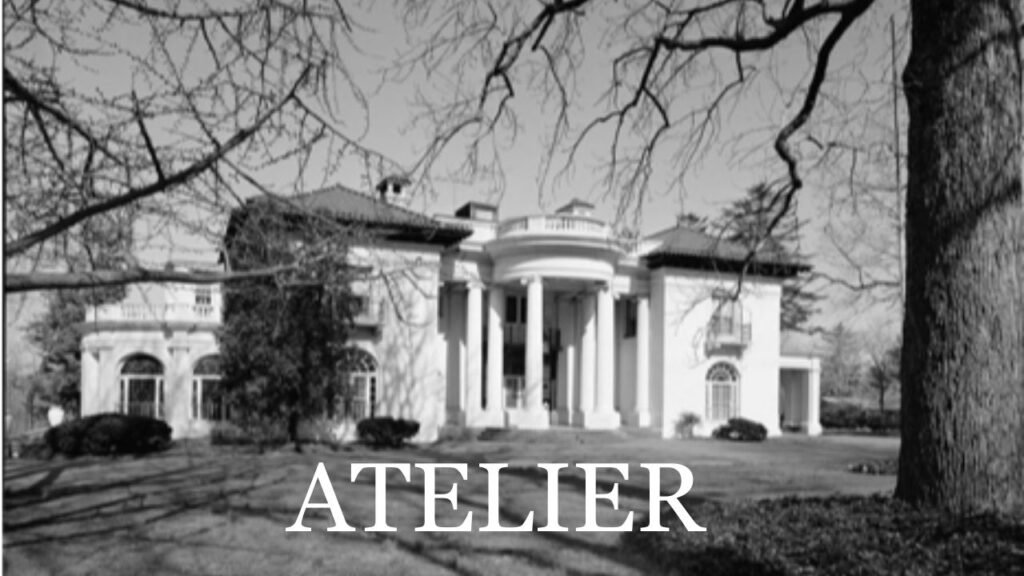
SOURCE: Villa Lewaro, Irvington, NY (Library of Congress)
Madam C. J. Walker moved into Villa Lewaro in June 1918 and lived there less than a year before her death in 1919, after which her public funeral was held at the estate. Despite her brief time there, the home embodied Walker’s vision of prestige, achievement, and empowerment through homeownership. In her will, she created a trust to help African Americans purchase modern homes and declared Villa Lewaro an institution meant to benefit the Black community. She left the home to her daughter A’Lelia, with instructions that it later be sold to the NAACP, reinforcing its purpose as a lasting symbol of Black progress and legacy.
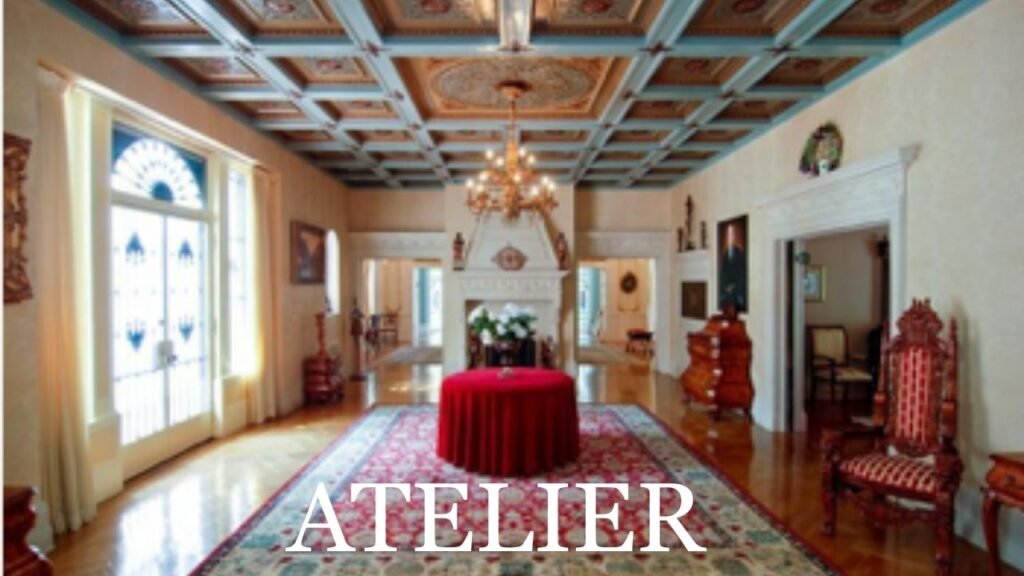
Sources: Urban By Design Online
Villa Lewaro was not merely an imitation of white architectural taste, but a deliberate statement by Madam C. J. Walker that wealth, beauty, and luxury were legitimate expressions of Black success. Though some criticized its extravagance, Walker used the mansion as a symbol of what entrepreneurship could achieve, often showcasing it during her speeches as a monument to Black thrift and business excellence. Villa Lewaro became a national gathering place for African American social, political, and cultural life, hosting conferences, civil rights meetings, and philanthropic events. After Walker’s death, A’Lelia Walker Robinson continued this legacy, turning the estate into a hub for Black artists and leaders during the Harlem Renaissance. Over time, Villa Lewaro remained a widely recognized symbol of African American pride, achievement, and collective aspiration
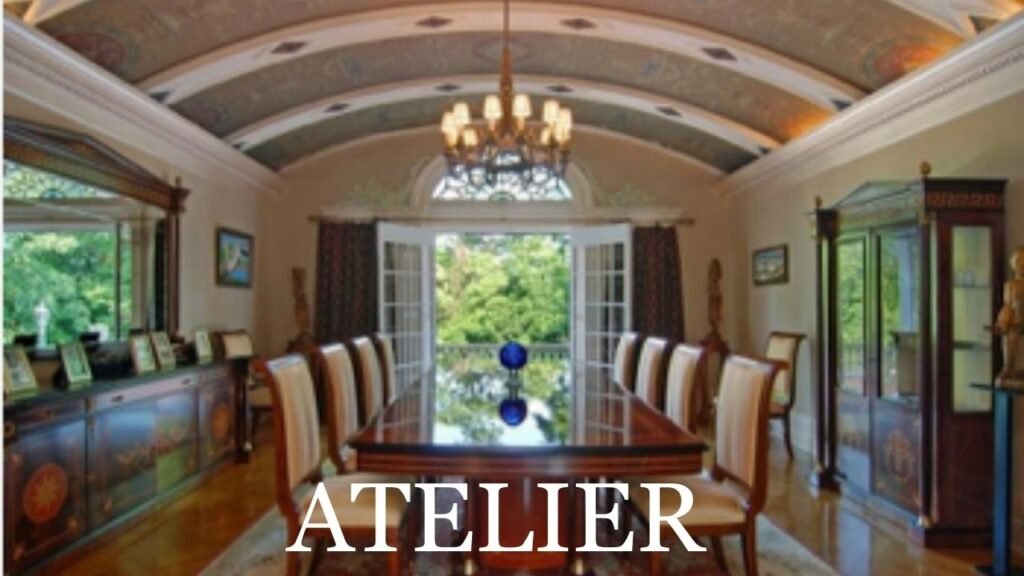
Sources: Urban By Design Online
By the early 1930s, Villa Lewaro faced an uncertain future, with maintenance costs and deterioration making it a financial burden. After unsuccessful attempts to sell the estate before A’Lelia Walker’s death in 1931, the Walker estate and the NAACP agreed in 1932 to sell the property. It was purchased by the Companions of the Forest and repurposed as an assisted living home, marking a shift from its earlier role as a center of Black cultural life. Despite this change, Villa Lewaro’s historical importance was later formally recognized when it was named a National Historic Landmark in 1976.
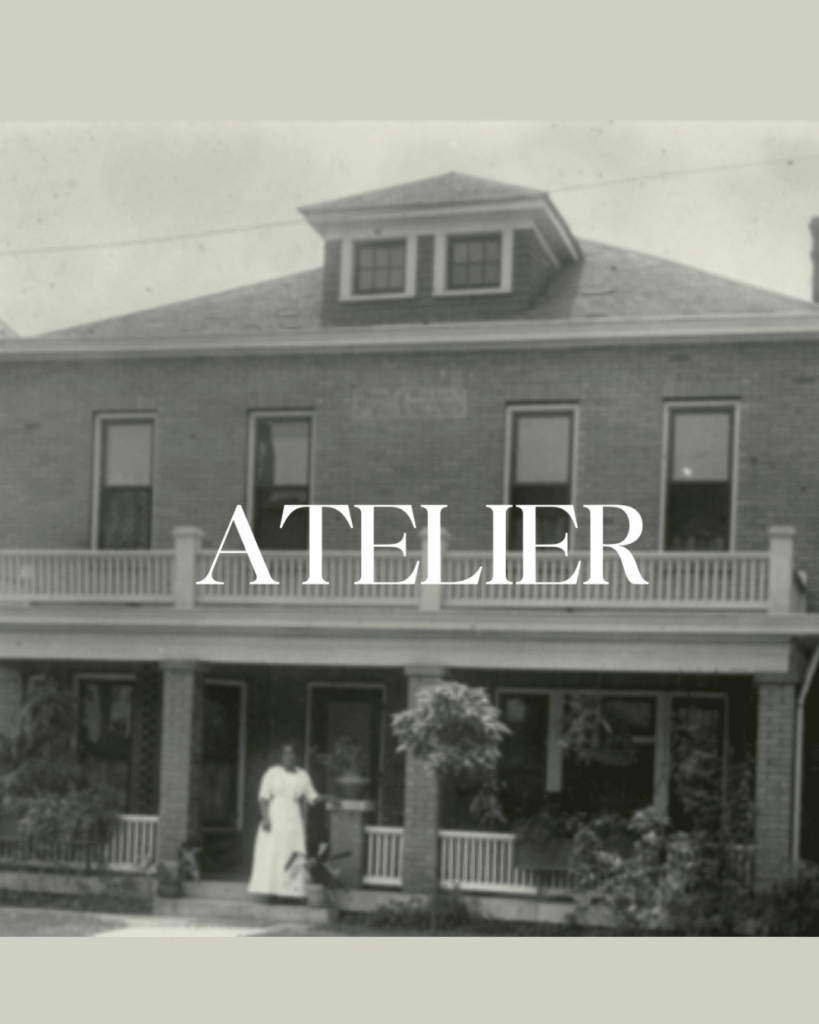
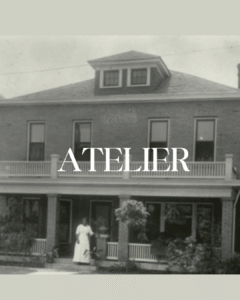
Sources: Madam C.J. in front of her home in Indianapolis – Indiana Historical Society
After serving as a private residence in the 1980s, Villa Lewaro returned to Black ownership in 1993 under Ambassador Harold Doley and his wife Helena, who worked to preserve the estate and envisioned it as a museum. The National Trust later recognized the home as a National Treasure in 2014. In 2018, Richelieu Dennis, CEO of Sundial Brands, acquired Villa Lewaro, securing its future through restoration and renovation. Under his New Voices Foundation, the mansion is being transformed into a think tank and training center to support African American women, bringing Villa Lewaro full circle as a living symbol of Madam C. J. Walker’s legacy.

Sources: The Italian Gardens – Urban by Design Online
Villa Lewaro endures as far more than an architectural landmark; it stands as a physical declaration of Black ambition, excellence, and self-determination. Through this estate, Madam C. J. Walker transformed wealth into vision, using the built environment to assert dignity, possibility, and pride at a time when such expressions were routinely denied to African Americans. From its role as a gathering place for political leaders, artists, and intellectuals to its near loss and ultimate restoration, Villa Lewaro has continuously reflected the evolving journey of Black progress. Its preservation and renewed purpose as a center to empower African American women ensure that Walker’s legacy is not confined to history, but remains active—continuing to inspire future generations to build, create, and claim space with intention.