
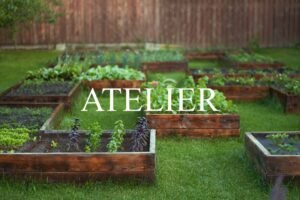

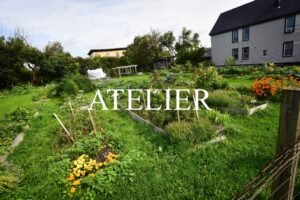
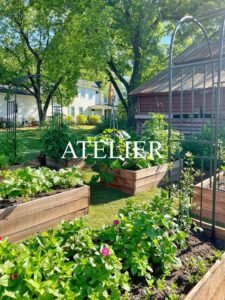
I have always believed that luxury is not just something you wear or acquire, it is something you reclaim. Something you grow into. And for many of us, it is something we return to. When I think about gardens, I don’t just see curated greenery or landscaped perfection; I see memory, lineage, and a quiet, radical act of reclamation. Black garden aesthetics is not simply about design; it is about redefining our relationship to land in a way that feels intentional, restorative, and undeniably luxurious. For generations, land has carried a complicated weight in Black history, often tied to labor and loss. But what I am witnessing now is a shift, a reimagining where creatives and cultural visionaries are transforming gardens into spaces of ownership, healing, and self-definition.
There is a distinct elegance in that transformation. In a world where luxury is often equated with excess and speed, stillness has become one of the rarest commodities. Gardens offer that pause. They invite us to breathe, to slow down, to be present. For Black communities, this pause feels sacred. It is not just about escaping noise; it is about returning to oneself. I see gardens as an extension of identity, much like fashion or editorial storytelling. The way we layer textures, balance structure with freedom, and cultivate beauty mirrors the creative process. These spaces are not just designed to be seen, they are designed to be felt, carrying stories through heirloom plants, generational knowledge, and the quiet resilience of those who have always known how to make something bloom.
What makes this aesthetic so compelling is its ability to hold both history and innovation at once. A new wave of Black creatives is approaching gardens with an elevated, modern lens, blending architectural precision with lush, expressive landscapes. These environments feel immersive, almost editorial in nature, where every detail is intentional. Luxury, in this context, is no longer about exclusivity; it is about access to peace, to wellness, to the ability to cultivate something that nourishes you. It is about redefining wealth as well-being. Gardens become living legacies, spaces that give not only in the present but for generations to come, shifting the narrative from survival to stewardship.
For me, as a creative director, gardening mirrors everything I understand about building something meaningful. Every idea begins as a seed, requiring patience, care, and trust in its evolution. Not everything blooms immediately, but everything holds potential. Black garden aesthetics remind me that we are allowed to create spaces that are soft, expansive, and intentional. That we can define luxury on our own terms, rooted in authenticity rather than performance. There is something deeply grounding about placing your hands in the soil and recognizing your connection to something larger, something ongoing. And maybe that is the truest form of luxury, not what we accumulate, but what we cultivate.