



ARTICLE CONTRIBUTED BY: Demetrius Cromartie
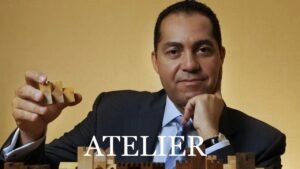
Roy Donahue Peebles, born March 2, 1960, in Washington, D.C., began his career as a real estate appraiser after initially planning to pursue medicine. As a teenager, Roy Peebles worked as a congressional page and graduated from the United States Capitol Page High School in 1978. By his early twenties, he had opened his own firm and gained major government and financial clients. After briefly studying medicine at Rutgers University, he shifted to real estate in 1979, starting as an appraiser. Within three years he launched his own firm with major government and financial clients. He later launched his real estate development career, constructing commercial projects and founding a highly successful tax assessment appeal firm.
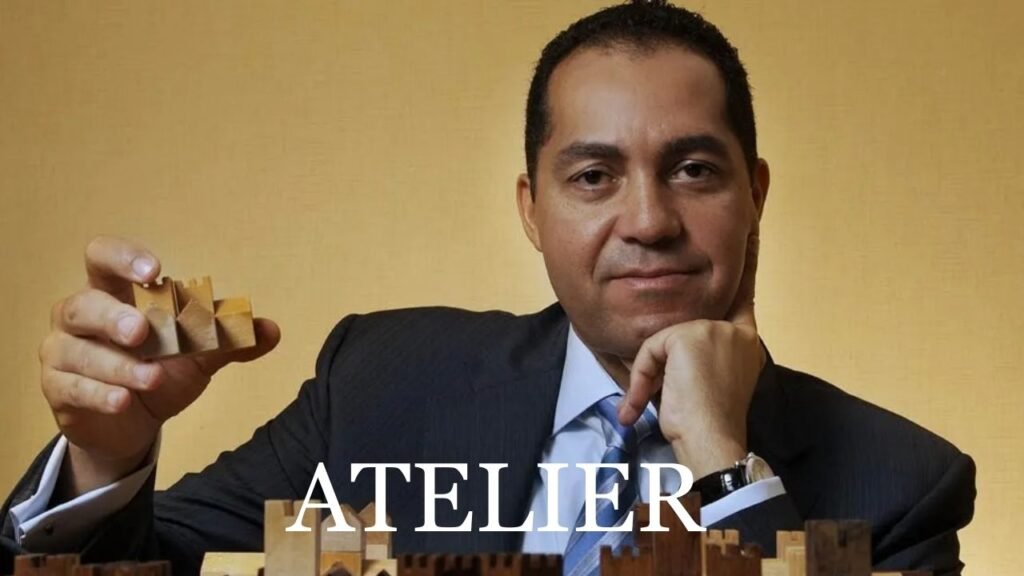
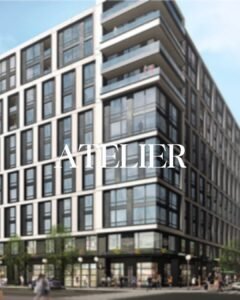
Source: Komar Luxe Realty
His career accelerated in 1983 when he was appointed to D.C.’s Board of Equalization & Review, becoming its chairman in 1984—the youngest in Washington, D.C. history—a role he held until 1988.In 1983, he became the youngest chairman in Washington, D.C. history when he was appointed to lead the District’s Board of Equalization & Review. He launched his development career in the mid-1980s and delivered his first Class A office building through a public-private partnership in 1989. In 1990, he founded a successful tax assessment appeals firm and continued developing major commercial projects in Washington, D.C.
Peebles has been politically active since the 1970s, serving on national finance committees for both President Bill Clinton and President Barack Obama and hosting multiple high-profile fundraisers. He has publicly considered running for mayor in Washington, D.C., and New York City but did not pursue office. From 2013 to 2017, he held leadership roles with the Congressional Black Caucus Foundation, becoming the only non–member of Congress to serve as its chair. An advocate for economic empowerment, Peebles and his wife have supported candidates from both parties and focused on initiatives that promote small business growth and minority advancement.
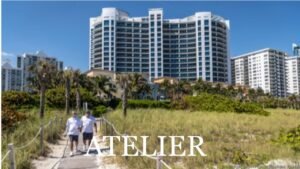
In 1996, Peebles won the rights to redevelop Miami Beach’s Royal Palm Hotel, becoming the first African American to own and develop a major U.S. hotel, which he later sold for $127.5 million. In 1999, he purchased and transformed the historic Bath Club into a luxury residential and lifestyle property, completed in 2005, while preserving its original clubhouse.
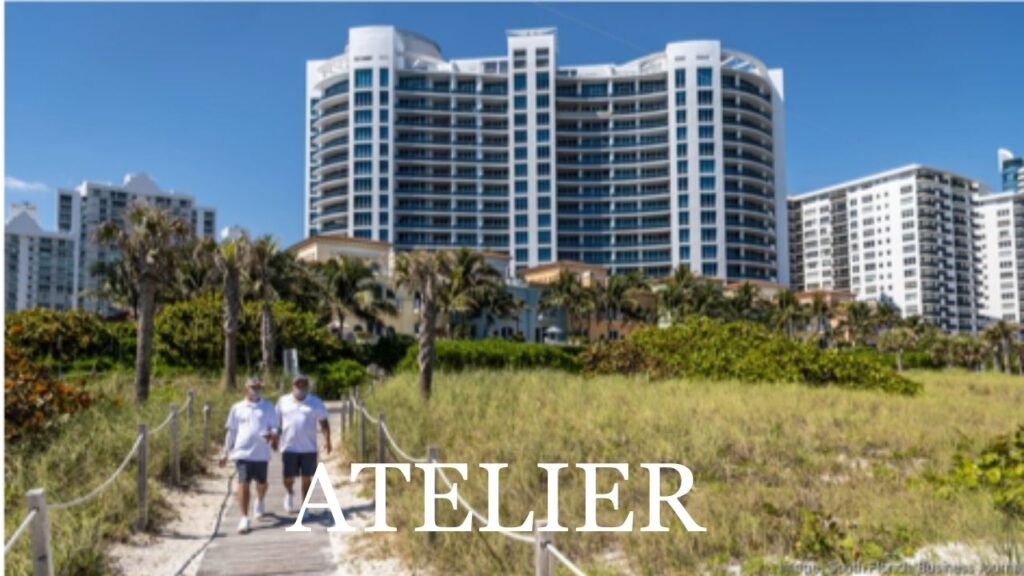
Source: The Bath Club – South Florida Business Journal
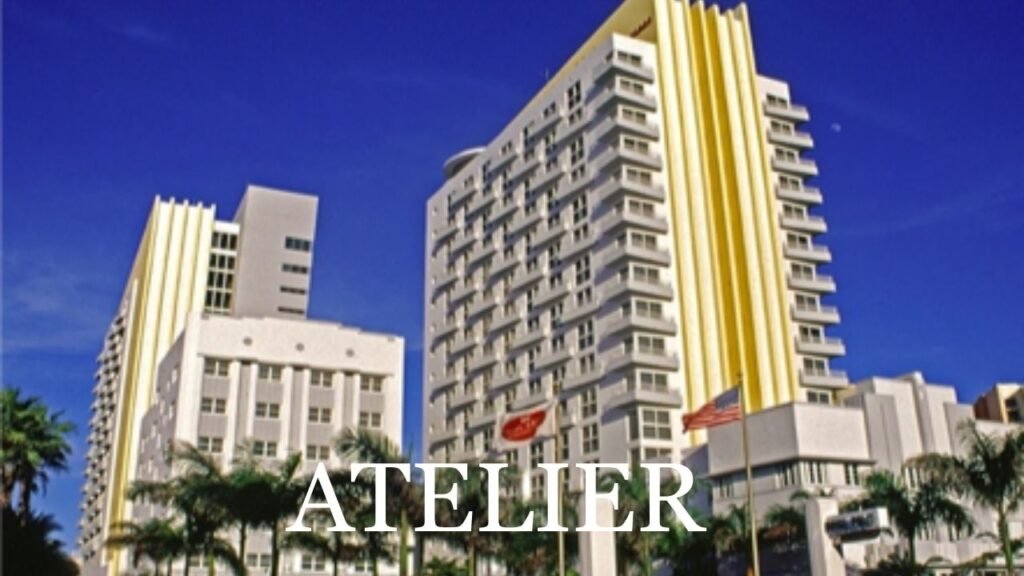
Source: Royal Palm Hotel – Soul of America
Despite market volatility and shifting urban trends, Peebles continues to innovate, focusing on mixed-use developments that align with contemporary living and work patterns. Peebles’ career is marked by resilience, successfully navigating both real estate booms and downturns through deep market knowledge and strategic, patient investment. Peebles is targeting high-growth urban markets, developing projects in New York, Los Angeles, and Boston that meet market needs while supporting community development.
Peebles’ strategy of identifying emerging markets early helped him grow The Peebles Corporation into a leading African American-owned real estate firm. His Miami Beach Royal Palm Hotel project exemplified this approach, transforming a struggling area into a symbol of revitalization. Let’s take a look at some of his prestigious projects.
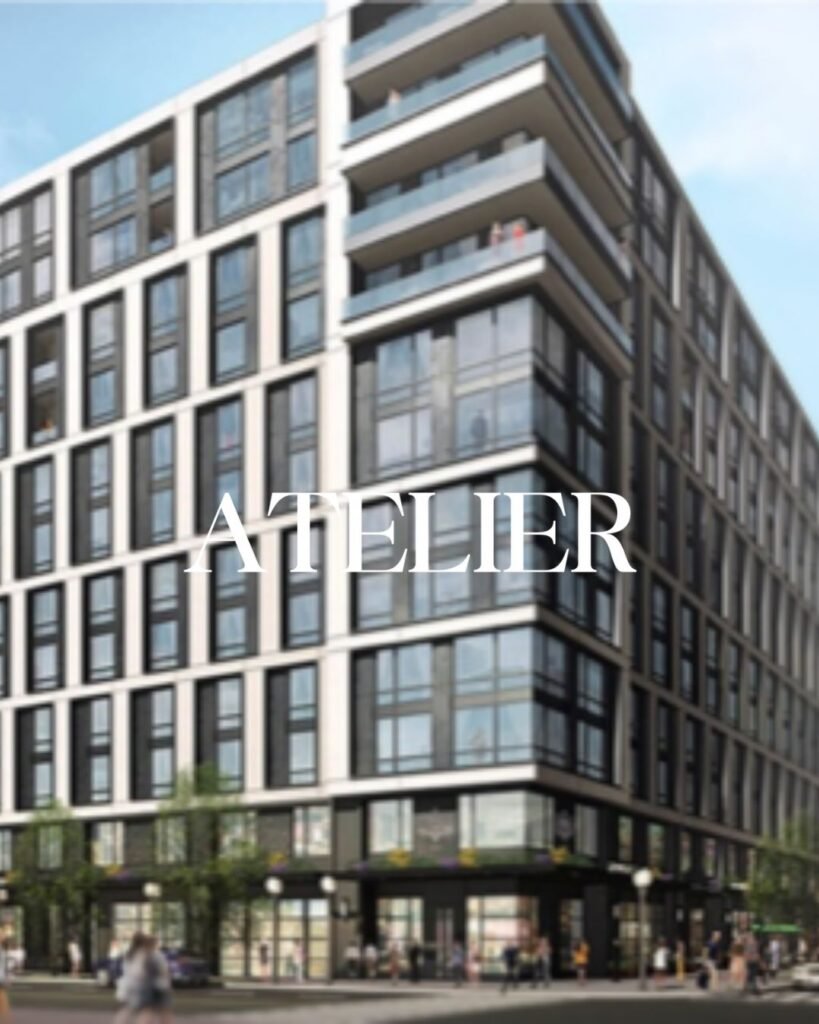
Source: The Washington Journal
Peebles Corp. is developing D.C.’s first SLS Hotel at Fifth and Eye NW, featuring 175 rooms, 45 condos, 10,000 sq. ft. of event space, and a rooftop pool/lounge. The hotel will include Japanese restaurant Katsuya and a lobby bar inspired by London’s Dandelyan. Designed by Italian architect Piero Lissoni, the $50 million, eight-story project aims to bring high-energy, stylish hospitality to Mount Vernon Triangle. The development also includes offsite affordable housing in Anacostia. The project, long in the making since 2007, is expected to break ground this fall with an opening planned for late 2020.

Source: The Charlotte Observer
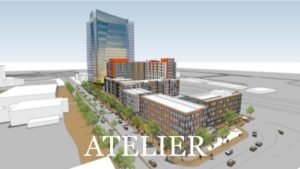
Mecklenburg County in Charlotte selected a Peebles Corp.-led partnership in 2016 to redevelop 17 acres in Second Ward into Brooklyn Village, a $683 million mixed-use project. The plan includes over 1,000 apartments, 170 condos (115 affordable), two hotels with 280 rooms, 680,000 sq. ft. of office space, 250,000 sq. ft. of retail and dining, and a 1.6-acre park. The county will sell the land for just under $34 million, with the developers investing $23 million in infrastructure. The project is one of the largest new developments in decades.
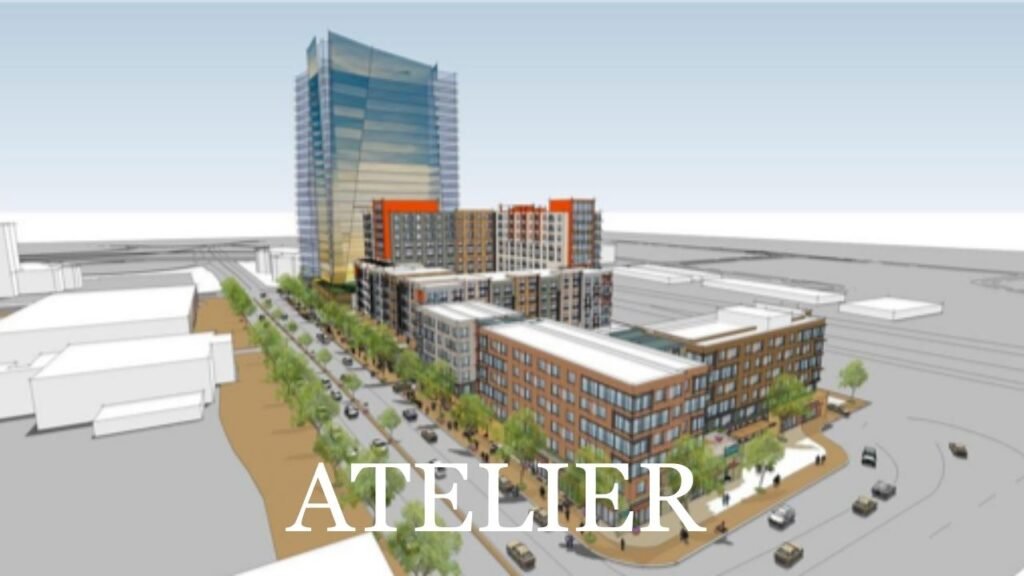
Source: The Charlotte Observer
Charlotte’s Brooklyn neighborhood in Second Ward was once a thriving, predominantly Black, self-sustaining community with businesses, schools, and churches serving residents of all backgrounds. In the 1960s and 1970s, it was largely destroyed during urban renewal, displacing thousands of residents and eliminating more than 1,480 structures.
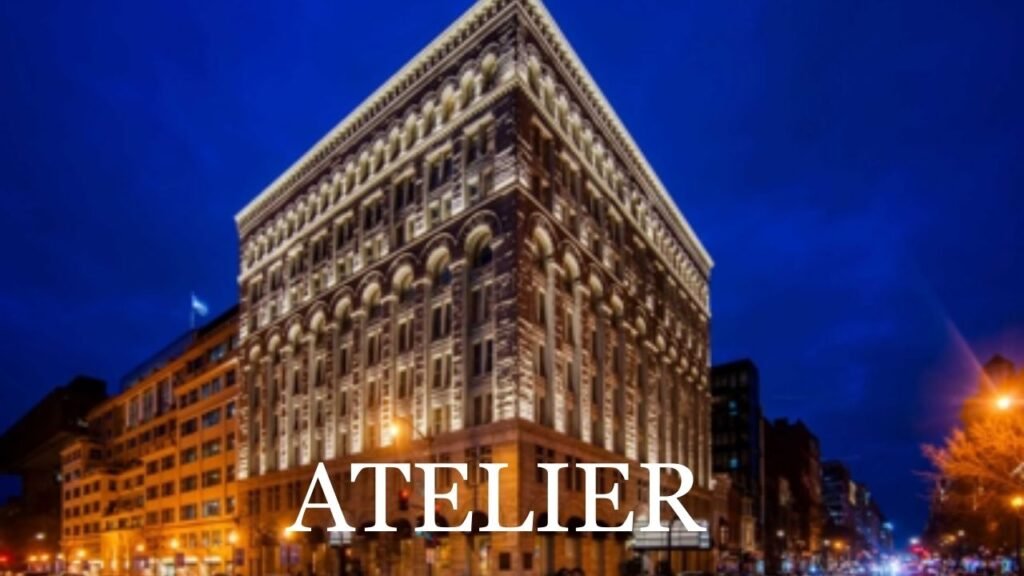
Source: The Peebles Corporation
Built in 1891 and listed on the National Register of Historic Places, the former Washington Loan & Trust building was extensively restored and converted into a 188-room Courtyard by Marriott Hotel and Convention Center. The renovation preserved key historic features, and the hotel went on to rank #1 worldwide among Courtyard properties for two consecutive years. The 135,000-square-foot hotel is located near the Smithsonian Mall, Verizon Center, and Pennsylvania Avenue. The former Riggs National Bank (Washington Loan and Trust branch) is a historic Penn Quarter building in Washington, D.C.
Don Peebles’ career stands as a powerful example of vision, resilience, and strategic leadership in American real estate. From his early start as a teenage appraiser to building one of the nation’s most influential development firms, he has consistently identified opportunity where others saw risk. His work has reshaped major urban markets, broken racial barriers at the highest levels of development, and demonstrated that profitable growth and community impact can move forward together. Through decades of market cycles, political shifts, and urban transformation, Peebles has remained focused on fundamentals, innovation, and long-term value—cementing his legacy as not only a successful developer, but a true architect of modern urban revitalization.