


Article written by Demetrius Cromartie
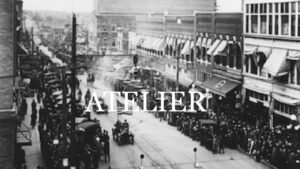
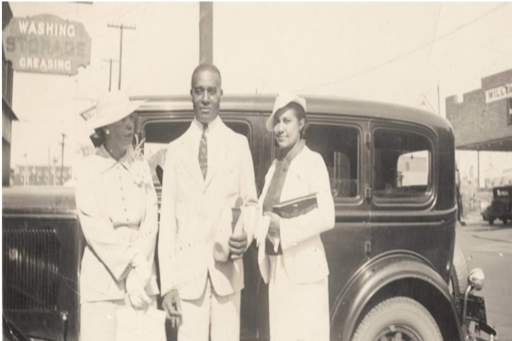
The Tulsa Race Massacre of 1921 exposed the violent destruction of Greenwood, known as “Black Wall Street,” a thriving African American community built through migration, shared resources, and entrepreneurship. Despite Jim Crow discrimination, Black residents created successful businesses and generational wealth—until a white mob destroyed 35 blocks of the district. Ongoing discoveries, including mass graves, continue to reveal both the scale of the tragedy and the remarkable strength of the community that existed before it.
Sources: Alexis Clark – The History Channel
The Foundation of Black Communities in Oklahoma
African Americans began arriving in Oklahoma in the mid-19th century as enslaved people of the Five Civilized Tribes after their forced relocation to Indian Territory. Following the Civil War and the Treaties of 1866, many were emancipated and integrated into the tribes, which later allowed some freedmen to receive land. This connection to tribal landownership became a key source of relative Black wealth in Oklahoma. After the Dawes Act of 1887 divided tribal lands into individual allotments that included Black members, Oklahoma became known as a place of opportunity. Between 1865 and 1920, more than 50 Black townships were established, laying the groundwork for communities like Greenwood.
Sources: Euell A. Dixon – Black Past
The Architects That Shaped Greenwood
O.W. Gurley, born to freed slaves in Alabama, is recognized as the founder of Greenwood. After moving to Tulsa during the Oklahoma Land Rush, Gurley purchased 40 acres on the city’s north side with the vision of creating a self-reliant Black community. He opened a rooming house, bought buildings, and provided loans to help other African Americans start businesses. Sharing his vision, J.B. Stradford, a lawyer and entrepreneur from Kentucky, invested in Greenwood’s real estate and built the Stradford Hotel, the largest Black-owned hotel in the country, contributing to Greenwood’s reputation as “Black Wall Street.”
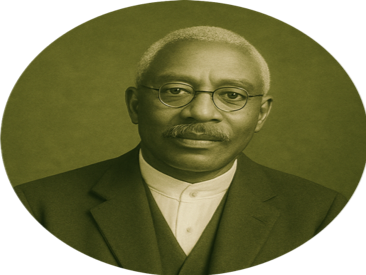
Sources: Ottawa W Gurley – The Architect of Greenwood District – Black Wall Street
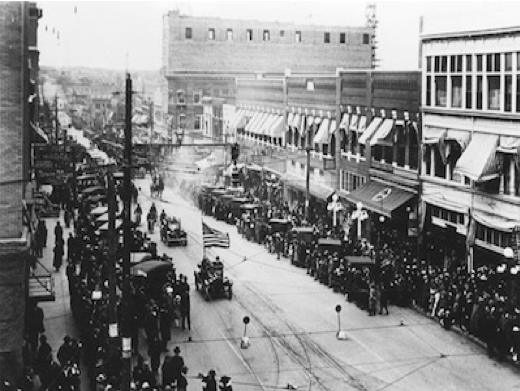
Where Black Excellence Built a Community African Americans fleeing racial oppression in the Deep South and seeking greater opportunities migrated to Tulsa’s Greenwood district. A.J. Smitherman, founder of the Black newspaper Tulsa Star, advocated for legal rights, spoke out against discrimination, and actively intervened to protect Black residents from white mob violence. Greenwood became a self-sufficient, thriving community, with luxury shops, restaurants, hotels, theaters, professional offices, schools, a bank, hospital, and local services, all supported by its residents and Black-owned businesses
Sources: Robert Hicks and the Beryl Ford Collection/Rotary Club of Tulsa, Tulsa City-County Library and Tulsa Historical Society
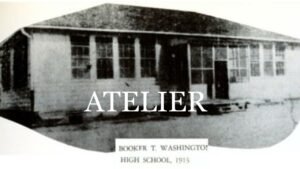
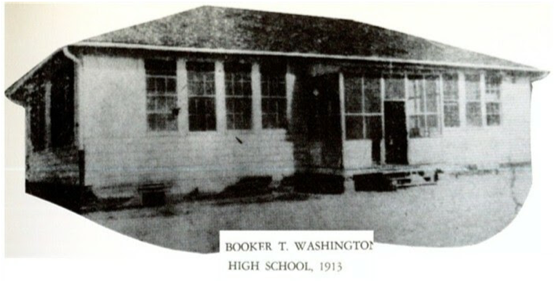
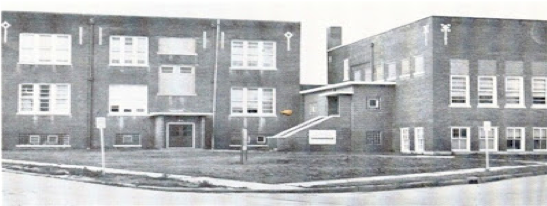
Education and opportunity attracted Black families to Greenwood, including the opening of Booker T. Washington High School in 1913, led by Ellis Walker Woods, a dedicated principal for 35 years. Entrepreneurs like Simon Berry, who created a Black-owned taxi and transportation service, and John and Loula Williams, owners of the Dreamland Theatre and multiple businesses, contributed to the district’s prosperity. Women like Mabel Little also thrived, building long-lasting businesses despite humble beginnings. While some residents were wealthy, many worked menial jobs, and segregation limited where they could spend their earnings. Nevertheless, money earned outside the district circulated back into Greenwood, fueling its growth and creating a self-sufficient Black community.
Sources: Robert Hicks and the Beryl Ford Collection/Rotary Club of Tulsa, Tulsa City-County Library and Tulsa Historical Society
In conclusion, Greenwood stood as a powerful testament to Black resilience, entrepreneurship, and community. Through education, business, and mutual support, African Americans created a self-sufficient, thriving district despite systemic racism and segregation. The Tulsa Race Massacre of 1921 tragically destroyed much of this prosperity, yet the legacy of Greenwood—its vision, wealth-building, and strength—continues to inspire and remind us of the enduring power of Black communities.